Origin
Built from frustration.
COSO Team3 min read
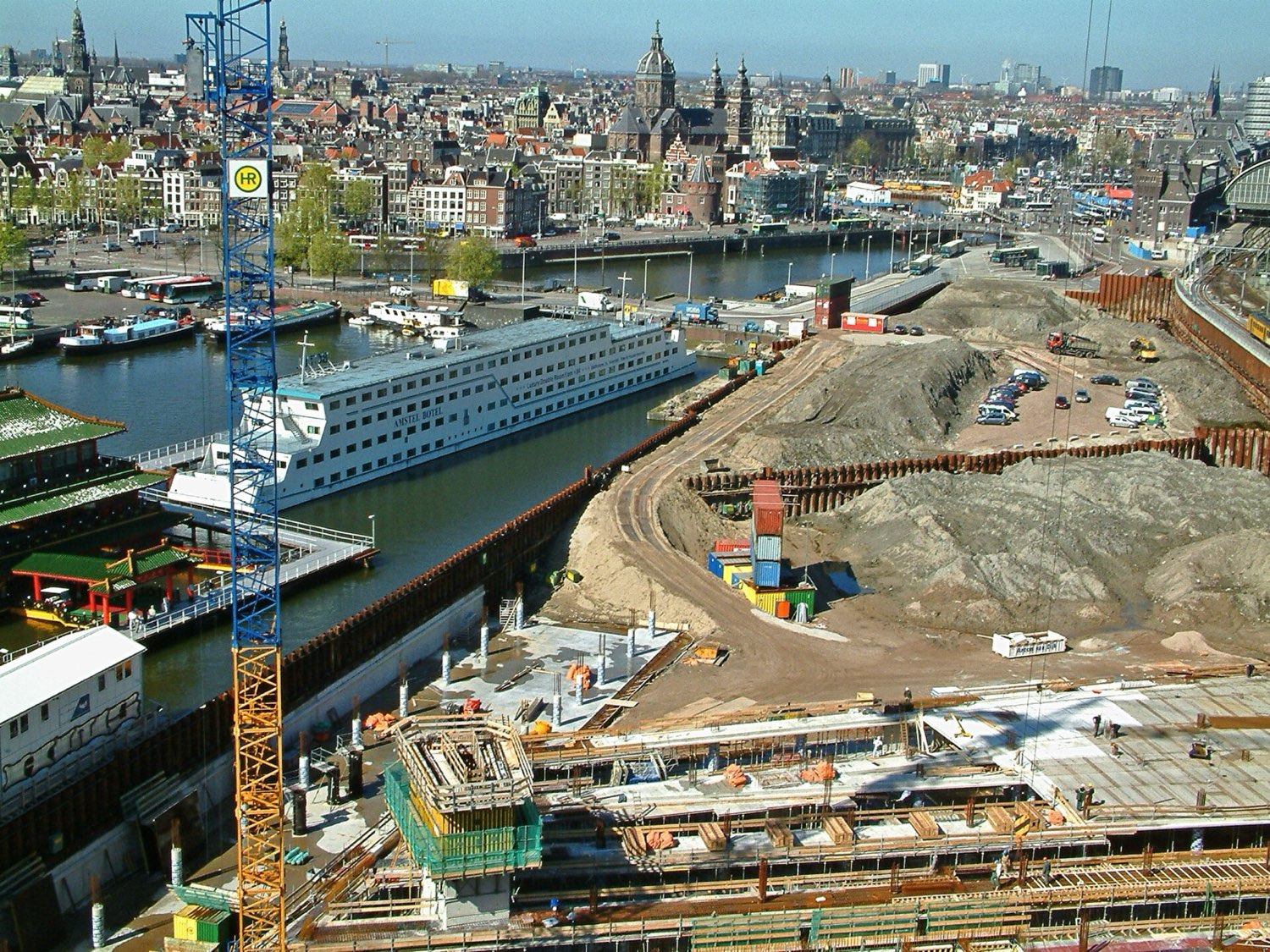
The idea for COSO was not born in a boardroom. It came from the ground, quite literally.
Between us, our team has decades of experience delivering infrastructure projects across Asia. We have managed construction sites, led multi-agency coordination, handled design and planning, and pushed projects through their entire lifecycles in countries like India, Singapore, and Hong Kong. And everywhere we went, the story was the same. Cost overruns were expected. Delays were built into the schedule. There was always a next time when things would improve, but that time never came.
We found ourselves asking the same question. Why is this okay? As insiders, we saw how the industry had learned to live with the pain. Teams on the ground had gotten used to miscommunication. Project managers had built entire strategies around buffer periods. Stakeholders learned to read spreadsheets like detectives, trying to guess what was actually happening on site.
Tools existed, but they were rigid, complex, or disconnected from the way construction actually happens. No one wanted to challenge the status quo because everyone was just trying to survive it. That is when COSO started taking shape. We did not want to add another tool to the pile. We wanted to solve for visibility, for clarity, for proactive management. We wanted to embed the lived experience of engineers and project managers into a digital solution, one that adapts to the user, not the other way around.
The industry had settled for inefficiency. We did not. COSO was built by people who have delivered infrastructure under pressure and know what is needed when you are in the trenches. The platform is a reflection of our shared frustration, and our collective determination to change how projects are built, tracked, and completed.
Intelligence
A smarter construction future.
COSO Team4 min read

AI has become a buzzword in almost every industry. In construction, it has the potential to do much more than buzz. It can truly build.
Construction is complex. It is physical, fast-moving, high-stakes, and involves hundreds of people working across disciplines, timelines, and budget frameworks. Despite this complexity, many systems in construction are still surprisingly manual. Decisions get delayed. Data gets lost in silos. Teams often work in isolation, reacting instead of anticipating.
This is where AI steps in, not to replace teams, but to empower them. Think of AI as a partner. One that can highlight risks early, spot patterns that humans might miss, and offer insights at just the right moment. Imagine a platform that quietly monitors your project and gives you a heads-up when something seems off. It is like having a second brain that never sleeps, never gets distracted, and always works in your interest.
Of course, AI alone is not magic. The key is context. For AI to be effective in construction, it has to be deeply integrated into the way projects are managed. It must be trained on relevant data, guided by engineering logic, and flexible enough to suit the unique nature of each project.
At COSO, we have seen how AI, when used thoughtfully, can reduce reporting time, increase planning accuracy, and help project leaders stay ahead. The broader point is this. The construction industry is ready for transformation, and digital tools powered by domain-aware AI will form the foundation of that shift. Smarter construction is not just possible, it is inevitable. We are building for that future now.
Product
Learning by listening.
COSO Team4 min read
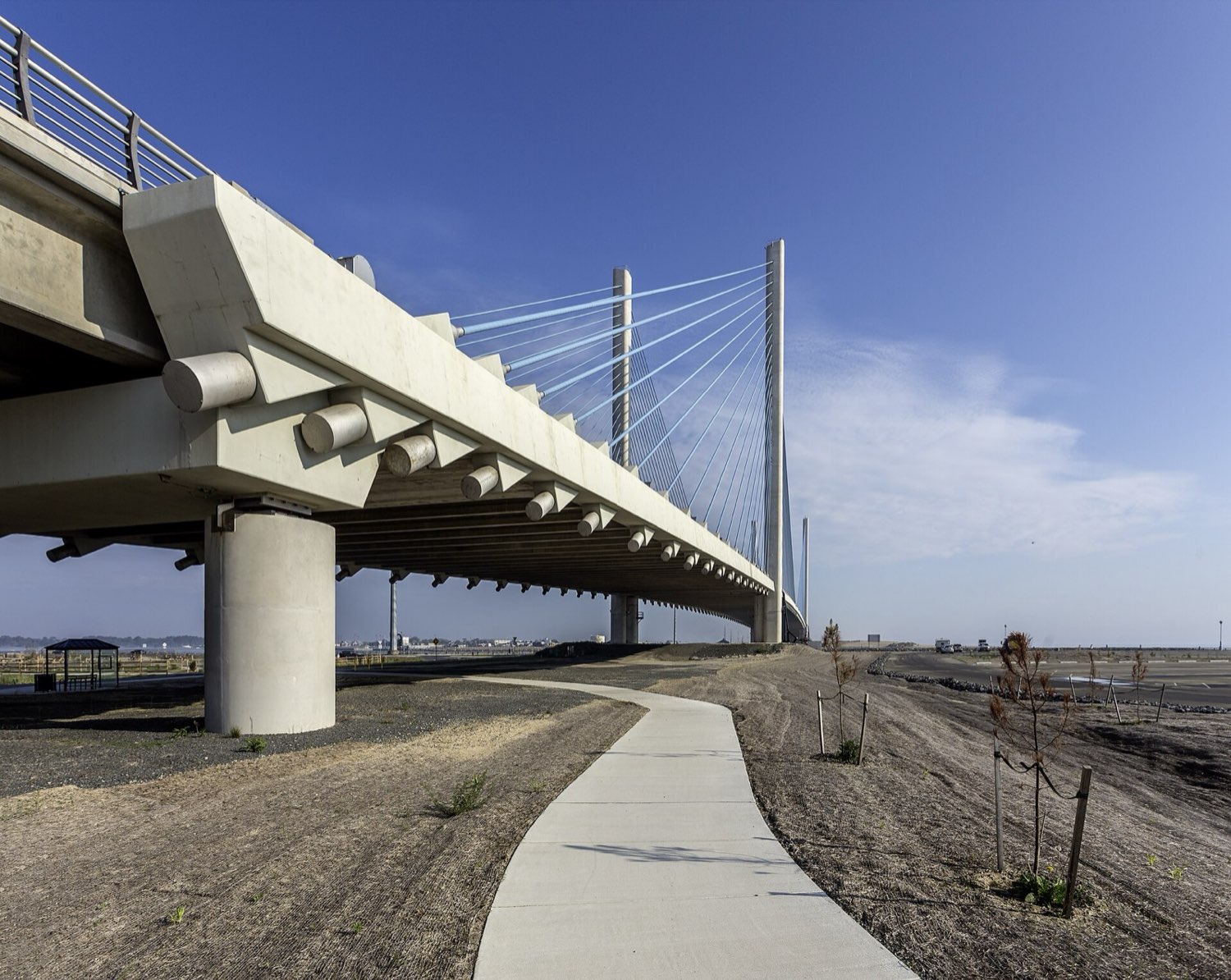
We did not start with a blank slate. We started with lived experience. But we did not stop there.
When we set out to build COSO, we already knew many of the industry's pain points because we had faced them ourselves. But to truly solve them, we needed to widen our lens. So we talked. We listened. We observed. From metro projects in Delhi to housing in Singapore, transport corridors in Indonesia, and high-density sites in Hong Kong, we spoke with engineers, planners, consultants, site supervisors, and developers. These conversations, across public and private sectors, across budgets and project scales, helped us shape COSO.
Every conversation confirmed what we felt. The problems were everywhere. Delays were considered normal. Visibility was poor. Data existed but was rarely usable. Most tools were not built for construction, they were designed for generic project tracking and force-fitted into engineering workflows. One person said it best. We are managing physical work with digital tools that do not understand what is physical. That line stuck with us.
It is why we built COSO not just as a tool, but as an applied solution, shaped by civil engineering logic. Our platform is built with the instincts and decisions of real practitioners in mind. Our dashboards are designed for site teams, planners, and project heads who are juggling real-world pressure. We introduced modularity because no two projects are the same. We allowed for customisation because teams differ. We focused on a clean interface because, again and again, we heard the same thing. I do not want another system that slows me down.
COSO is the result of what we saw, heard, and lived. And the only way forward is to keep listening, keep learning, and keep improving.
Industry
The future under construction.
COSO Team4 min read
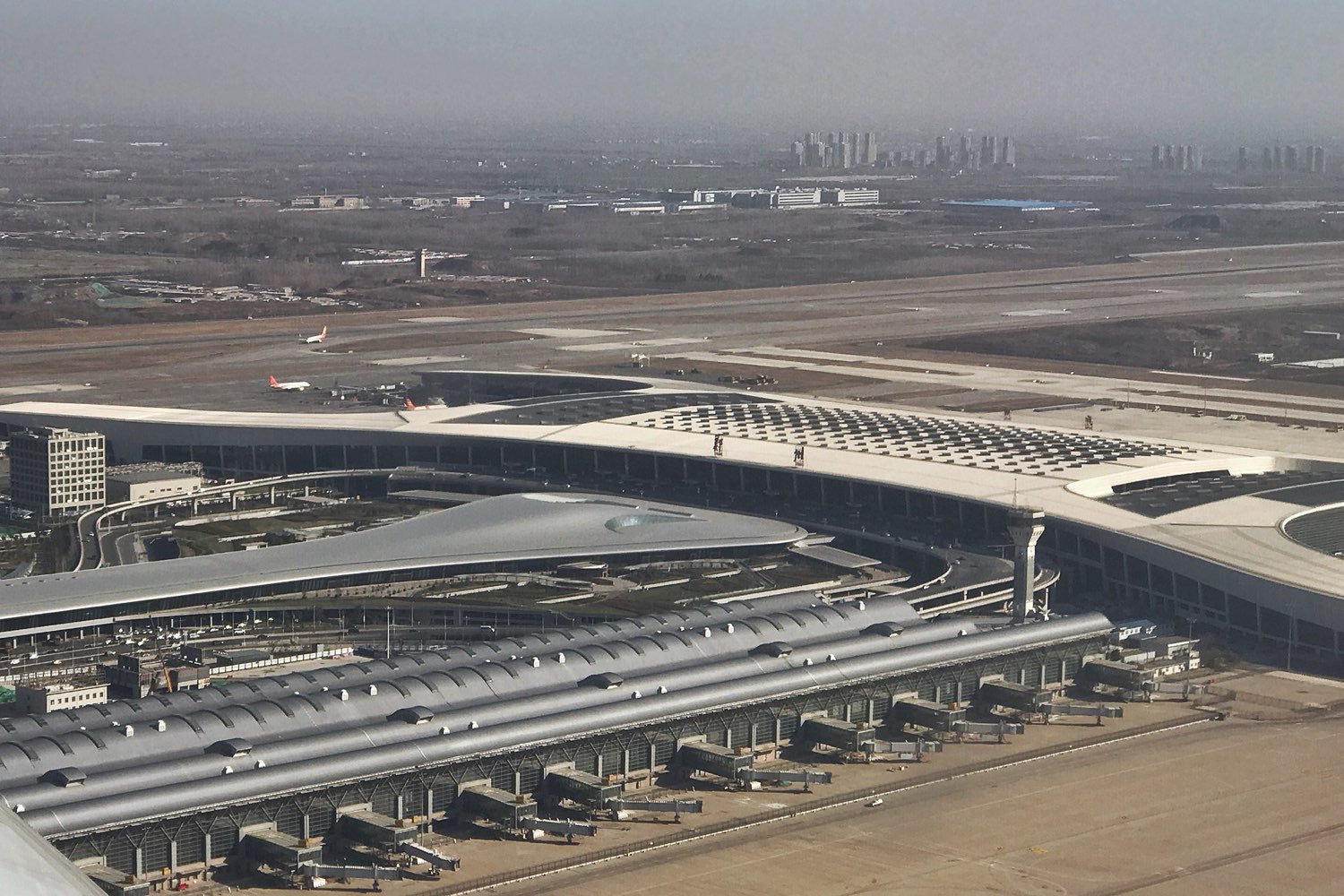
The construction industry is one of the largest in the world. It is also one of the most challenged.
The numbers speak for themselves. Almost every major project ends up delayed or over budget. Globally, cost overruns and time delays have become expected rather than exceptional. This is not just about lost time or wasted money. It affects public trust, investor confidence, and overall development progress.
Asia is at the centre of a development and infrastructure boom. From highways and airports to rail, housing, and energy, billions are being poured into infrastructure every year. The pace is accelerating. But unless efficiency improves, we risk building more chaos, not more cities. That is where the shift begins. The future of this industry depends on better tools, better data, and better decision-making. Project leaders are ready for this change. Clients want transparency. Teams want clarity. And the market is signalling the need for something more intelligent.
This is where COSO fits in.
We believe infrastructure should have a brain, and COSO is designed to be that layer of intelligence, the one that makes your project predictable, understandable, and manageable in real time. From planning to progress tracking to performance reporting, we aim to become the standard on which the next generation of infrastructure depends. We are not building just another product.
We are building a foundation for how infrastructure can be delivered smarter, faster, and with purpose. If this shift happens at scale, the impact is huge. Public funds will go further. Private investors will gain confidence. Project timelines will tighten. Teams will work with less chaos and more clarity. This is the future we believe in. And this is the future we are building, with COSO.